Crane Tree Removal: A Smart Option for Difficult Jobs

Crane Tree Removal: A Smart Option for Difficult Jobs

Crane Tree Removal: A Smart Option for Difficult Jobs

Tree removal is a necessary task for many homeowners in Maple Valley and the greater Puget Sound area. Whether a tree has become a hazard or simply needs to be cleared for new landscaping, there are a few different ways to handle the job. While traditional manual tree removal is often effective, there are times when crane-assisted removal is the best choice. At P’n’D Logging and Tree Service, we offer both manual and crane-assisted options, ensuring the right method is used for each unique situation.

What Is Crane Tree Removal?

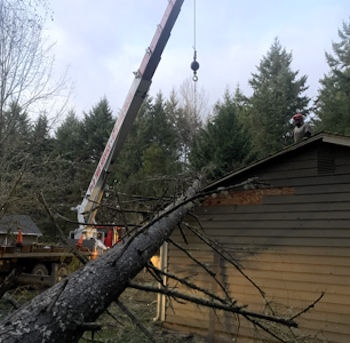
Crane tree removal involves using a crane to lift and remove large sections of a tree. This method is especially helpful when a tree is located in a difficult-to-access area or close to a structure, making manual removal more challenging or risky. By lifting sections of the tree away from the site, crane removals can often be done more quickly and with less disruption than traditional methods.

However, this doesn’t mean that crane removal is always the superior option. In some cases, manual tree removal is just as effective. Our team evaluates each situation carefully to determine the safest and most efficient method for your property.

Why and When to Use Crane Tree Removal

We typically recommend crane-assisted tree removal when:

  • Trees are near structures: Trees located near homes, power lines, or other buildings may require the precision of a crane to avoid accidental damage.
  • Trees are in hard-to-reach areas: If your tree is on a steep slope, surrounded by dense landscaping, or otherwise inaccessible, a crane can lift it out without disturbing the surroundings.
  • Hazardous trees: Trees that are dead, diseased, or storm-damaged may pose a danger to people and property. Using a crane can safely remove these trees, reducing the risk of accidents.

Crane tree removal is an excellent option in specific situations, especially in our region, where tall trees and varied terrain are common.

Benefits of Crane Tree Removal

1. Preserving Your Landscaping

One of the most significant benefits of using a crane for tree removal is that it virtually eliminates the risk of damaging your landscaping. Traditional methods of tree removal often involve dragging branches across lawns or flowerbeds, which can cause extensive damage. Crane removal allows us to lift large sections of the tree directly out of the area, leaving your landscaping virtually untouched. Crane removals have become more popular for this very reason, especially in urban and suburban areas where maintaining the aesthetic of a property is a priority.

2. Increased Safety

While both manual and crane removals are safe when performed by professionals, using a crane can reduce some risks. For example, it eliminates the need for workers to be high up in the tree cutting branches, which can be dangerous. Instead, the crane operator works from the ground, while sections of the tree are lifted away.

3. Faster Removal

Crane-assisted tree removal can often be faster than traditional methods, especially when dealing with large trees. The process of sectioning and lifting with a crane reduces the need for complex rigging, which can save both time and labor costs. For larger trees or complex jobs, this can be a huge benefit.

When Manual Tree Removal Is Better

It’s important to note that crane removal isn’t always necessary. Many tree removal jobs can be completed just as safely and effectively with manual methods. Our team at P’n’D Logging and Tree Service carefully assesses each tree removal situation to choose the best approach, whether that’s manual removal, crane-assisted removal, or a combination of both.

Why Choose Us for Your Tree Removal Needs?

Whether you need crane tree removal or a more traditional approach, P’n’D Logging and Tree Service has you covered. We’ve been serving Maple Valley and the surrounding Puget Sound area for years, handling tree removal projects of all sizes. Our experienced team uses the latest equipment and techniques to ensure your property is protected every step of the way.

If you’re unsure which method is right for your tree removal, give us a call or reach out to us. We’d be happy to provide a free consultation and help you find the safest and most efficient solution for your needs.
Top 7 Tips for Safe Storm Damage Tree Removal

Top 7 Tips for Safe Storm Damage Tree Removal

According to FirstStreet.org, Maple Valley, WA, has a “Minimal Wind Factor,” meaning the likelihood of severe storm winds or hurricanes affecting the area is “very low.”

However, that doesn’t mean the city is 100% safe from storms; they can still occur. When they do, they can wreak havoc on the trees on your property, resulting in safety risks.

For those reasons, you must know what to do for safe storm damage tree removal.

In this guide, the experts at P’n’D Logging and Tree Service will discuss how to deal with storm-related tree hazards safely.

1. Don’t Go Outside Until Authorities Say It’s Safe

Even if the storm seems to have passed, please avoid inspecting your tree immediately. Instead, check local weather safety updates on the TV, radio, or those issued by Maple Valley Government. If you haven’t yet, sign up for emergency alerts through the King County Alert system.

Only go outside when the local authorities say it’s safe.

2. Wear Protective Safety Gear

Even if the local authorities say it’s safe to go outside following a storm, you should still practice caution and don protective gear. Wear the following to help protect yourself from potential injuries:

  • Rubber gloves
  • Sturdy, non-slip boots
  • A hard hat or helmet

Keep your phone with you in case you need to call for emergency help. Also, bring a flashlight and binoculars for safe tree damage assessment.

3. Check for Electrical Hazards

As Ready.gov recommends, watch for and report fallen power lines and trees immediately during and after storms.

A good enough reason is that electricity and trees don’t always mix. After all, live trees conduct electricity because they contain water and sap. By touching live trees, electricity can pass through you to the ground.

So, keep your distance and survey the area around the tree with your flashlight and binoculars. Let your local electricity company know if you see any downed power lines nearby. Then, go back into the house, switch off, and unplug all electrical appliances until the utility company tells you it’s safe.

4. Inspect the Tree Damage From a Safe Distance

If you don’t see any downed power line, stay where you are (a safe distance away) and direct your flashlight and binoculars to the tree. Look for the following signs of storm damage:

  • Fallen branches
  • Branches that hang in an odd way
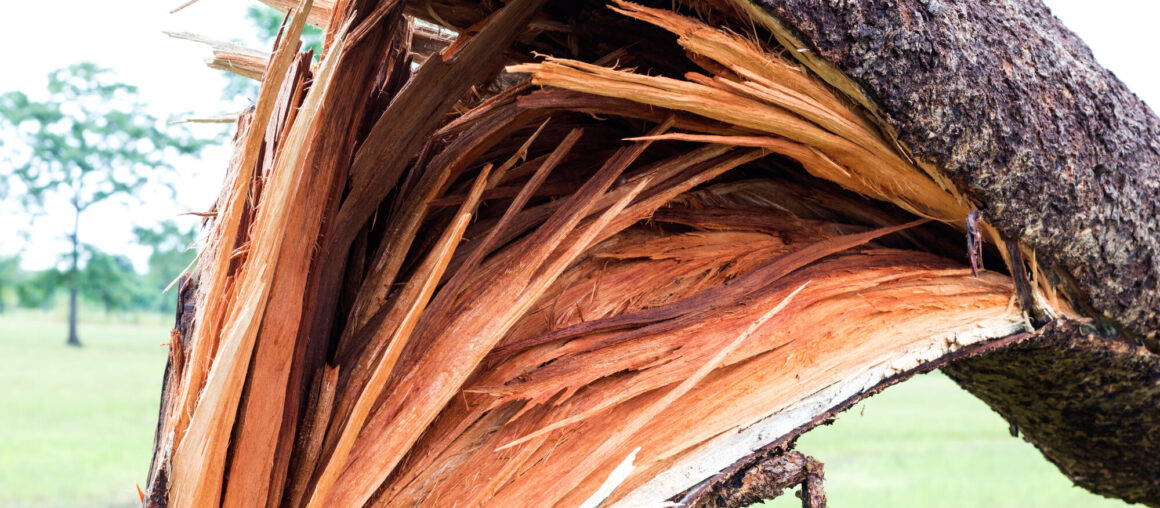
  • Cracked or splintered branches
  • Leaning

Even if unnaturally hanging, cracked, or splintered branches haven’t fallen yet, they likely will soon, making them a danger to people, animals, and property. Significant leaning is even more hazardous, as it can indicate a damaged tree root system and is in danger of becoming uprooted. In these cases, your safest bet is to contact a reliable tree service in Maple Valley, WA, such as P’n’D Logging and Tree Service.

5. Photograph the Damage From Afar

Your Maple Valley homeowners insurance policy may cover tree-related storm damages to your property. For instance, it may cover tree-damaged property repairs or replacements. If the tree is so damaged you can no longer save it, your policy may also pay for its removal.

You’d need to prove your tree has damaged your property, so take as many photographs and videos of the event as possible. Use your phone or camera’s zoom functionalities so you don’t have to go too near the tree and put yourself at a safety risk.

Next, contact your insurance provider about your policy’s tree-related damage coverage. If it provides coverage, ask if they have specific tree removal services you must hire. If they say it’s at your discretion, please choose a licensed, bonded, highly experienced tree removal company like P’n’D Logging and Tree Service.

At P’n’D Logging and Tree Service, we work with insurers on tree-related damage and removal claims.

6. Hire an Emergency Tree Removal Service

The safest way to deal with storm damage tree removal is to let experts handle the job. Here are some reasons why enlisting professional tree-cutting and removal services is always better and safer.

Expertise That Makes Tree Removal Safe and Timely

Tree-cutting and removal experts provide 24/7 emergency services to help with your storm and tree-related woes at any time of the day. They are also highly experienced in using powerful equipment, such as crane trucks, to deal with the aftermath of storms. Crane trucks allow them to lift downed trees and transport them safely.

Provides Comprehensive Tree Assessment

Storm-damaged trees don’t always require complete removal, such as if they only sustained damage to one or more branches. For this reason, you can expect experienced and reputable professionals to conduct a careful tree assessment to determine if:

  • It’s still salvageable with first-aid measures
  • It can still survive (e.g., it still has over half of its branches)
  • It can recover depending on the number of primary branches lost

If the tree experts determine your tree can still “heal,” they’ll take the necessary steps to help it recover. For example, they’ll remove broken (but still attached) branches to reduce the risk of decay. They may also cut back larger damaged branches to the trunk or main limb to minimize more accidental damage and future safety risks.

7. Implement Post-Storm Tree Care

You can help your storm-damaged tree become healthier by fixing any torn bark. Use a chisel to smooth away jagged areas. Then, regularly inspect your tree, especially its “new wounds,” for signs of decay and infestation. 

You should also partner with a tree service for timely tree pruning and trimming. If done correctly, pruning and trimming can help keep your trees healthy and beautiful and less likely to become dangerous during storms. 

Stay Safe With Professional Storm Damage Tree Removal

Remember: As beautiful as trees are, they can be dangerous during and immediately after storms. So, for peace of mind and safety, follow these tips for safe storm damage tree removal.

If you need emergency help with a damaged or fallen tree on your Maple Valley, WA, property, P’n’D Logging and Tree Service is ready to help 24/7. We’re a family-owned and operated tree service and removal company that has served Greater Puget Sound since 1977. You can also rest assured that we’re a fully licensed, insured, and bonded company.

Contact us today to schedule your tree service and request your free written estimate!

Effective Forestry: Clearcutting vs Selective Cutting Comparison

Effective Forestry: Clearcutting vs Selective Cutting Comparison

According to the US Forest Service, nearly 70% of the acreage in the Puget Sound area is made up of forests. But how can forest managers balance timber production with environmental sustainability? The choice between clearcutting and selective cutting plays a crucial role in this decision.

Today we’re taking a closer look into clearcutting vs selective cutting, exploring their differences, benefits, and impact on forest ecosystems.

Clearcutting Benefits

Clearcutting is one of the most common forestry methods, known for its efficiency in harvesting large quantities of timber at once. It involves removing nearly all trees from a designated area, leaving a cleared landscape ready for new growth.

The method is widely used for fast-growing tree species, such as pine and fir, that can regenerate quickly after a clearcut. 

First, clearcutting allows for the quick and cost-effective removal of timber. Since large machinery can work efficiently without the need to navigate around standing trees, the logging process becomes faster. It helps reduce labor costs and increase timber production, making it a popular choice in commercial logging.

Another benefit of clearcutting is its ability to promote new growth. Certain tree species regenerate best after a clearcut, as they thrive in the direct sunlight that reaches the forest floor once all mature trees are removed.

It can speed up the natural regeneration process, creating a new forest in a relatively short period. For species that grow well in open environments, clearcutting is an ideal strategy.

But while it provides short-term economic gains, it can lead to environmental concerns such as soil erosion and habitat loss. The lack of tree cover can cause the soil to become unstable, which might affect water quality in nearby rivers and streams. 

Selective Cutting

Selective cutting is another forestry method that offers a more controlled approach to logging. This technique involves removing only certain trees from an area while leaving others to continue growing.

It allows for more careful management of the forest ecosystem. Selective cutting is often used in forests where preserving the natural structure is a priority.

One of the main benefits of selective cutting is that it helps maintain the health of the forest. By carefully choosing which trees to cut, forest managers can remove older, weaker trees and allow younger, healthier trees to thrive.

It promotes long-term growth and keeps the forest strong and resilient. It also helps preserve wildlife habitats, as many species rely on the forest’s structure for food and shelter. Unlike clearcutting, selective cutting minimizes disruption to the environment, which makes it an attractive option for those concerned about sustainability.

Another advantage of selective cutting is its ability to protect the soil. With more trees left standing, the forest floor remains covered, reducing the risk of soil erosion.

The roots of the remaining trees help to hold the soil in place, preventing it from being washed away by rain. It can also lead to better water quality in nearby rivers and streams.

However, selective cutting can be more expensive and time-consuming than clearcutting. It requires skilled labor and careful planning to ensure the right trees are selected. Despite these challenges, the long-term benefits of selective cutting make it a preferred method in forests where maintaining ecological balance is a priority.

Environmental and Economic Impact Comparison

When comparing clearcutting and selective cutting, it’s important to consider both environmental and economic impacts.

Here are three key areas where these methods differ:

  • Environmental consequences
  • Economic costs and returns
  • Long-term sustainability

Environmental Consequences

Clearcutting has a significant environmental impact. By removing all trees in a particular area, it can disrupt local ecosystems, leading to a loss of biodiversity. Without trees to provide shade and habitat, some plant and animal species may struggle to survive.

Soil erosion is also a concern, as the lack of tree roots can cause soil to be washed away by rainfall. It can affect water quality in nearby rivers and lakes.

Selective cutting, on the other hand, is less disruptive. It allows the forest to maintain more of its natural structure, which helps preserve biodiversity. By leaving some trees in place, selective cutting reduces the risk of erosion and keeps the soil healthier.

Economic Costs and Returns

From an economic standpoint, clearcutting is often the more cost-effective method. It allows for quick timber removal and requires less planning, which helps reduce labor costs.

Clearcutting also maximizes short-term timber production, which can be appealing for companies looking for immediate profit. Selective cutting is more expensive and time-consuming.

It requires careful planning and skilled workers to ensure the right trees are removed. While it doesn’t provide the same immediate returns as clearcutting, selective cutting can offer more consistent yields over time as the forest remains healthier.

Long-Term Sustainability

In terms of sustainability, selective cutting has the edge. Because it preserves more of the forest’s natural structure, it promotes healthier regrowth and helps prevent environmental degradation.

Over time, this method can lead to a more stable ecosystem that continues to provide resources for future generations. Clearcutting, while offering faster returns, may lead to long-term environmental damage if not properly managed.

Clearcutting vs Selective Cutting: Choosing the Right Forestry Technique

The condition of the forest plays a significant role in deciding which method is most suitable. If the forest is composed of fast-growing species that can benefit from wide-open spaces and direct sunlight, clearcutting might be the better option.

But forests with diverse ecosystems or older, more fragile trees, selective cutting is often preferred to preserve the balance and health of the environment.

Economic goals also drive this decision. Clearcutting is often chosen when immediate production and cost-effectiveness are priorities. On the other hand, selective cutting may be a better fit for those aiming for long-term profitability and sustained timber production, as it encourages ongoing growth without damaging the overall ecosystem.

Forestry Techniques and Logging Methods

The decision between clearcutting vs selective cutting depends on balancing short-term economic gains with long-term environmental sustainability. 

P’n’D Logging and Tree Service is located in Maple Valley, and we’ve been serving the Greater Puget Sound since 1977. We offer complimentary written estimates for residential, commercial, and municipal customers throughout King County, Pierce County, and Snohomish County.

Get in touch today to find out how we can help with your forestry needs!

What to Expect During a Tree Trimming Service in Maple Valley

What to Expect During a Tree Trimming Service in Maple Valley

Think about waking up in your Maple Valley home. Suddenly, you hear the rumble of a truck pulling up to your driveway, and you know it’s time – today’s the day your trees get the royal treatment!

But what exactly goes on during a tree trimming service?

Read on to learn what to expect when you hire tree trimming service Maple Valley.

Initial Consultation and Inspection

Your Maple Valley tree care professionals will visit your property to assess any trees that need attention.

This inspection is not just about identifying which branches to trim; it’s about understanding the overall health of the tree, potential safety hazards, and your specific goals.

The arborist will evaluate various aspects of the tree, including:

  • Structure
  • Size
  • Any visible signs of disease or decay

The consultation also involves a discussion of your expectations and concerns. The arborist will listen to your goals and tailor their approach accordingly.

Professional Arborist Tips: Preparing and Safety

Tree health maintenance experts are trained to prioritize safety, both for themselves and for your property, and they follow a series of steps to minimize risks and prepare the area effectively.

Your tree trimming professional will assess the surroundings to identify any hazards that could cause problems during the trimming process. This includes checking for power lines, nearby buildings, and other structures that might be within the tree’s fall zone.

If the tree is located near power lines, special precautions will be taken to avoid any contact, including coordinating with the utility company if necessary.

The work area will be secured to protect people and pets from injury. The crew will set up safety cones, barriers, or warning signs to keep the area clear of bystanders.

This is especially important if the tree is in a busy or residential area where people might accidentally enter the work zone.

Getting a Detailed Quote

After the initial consultation and inspection, the next crucial step in the seasonal tree-trimming process is obtaining a detailed quote.

This quote serves as a comprehensive breakdown of the work to be done, providing transparency and helping you understand exactly what you’re paying for. It should include:

  • The specific services to be provided
  • The costs that come with each service
  • The project timeline
  • Any contingency costs
  • Insurance and licensing information

With this information, you can move forward confidently with your seasonal tree trimming.

Tree Trimming Process

Once the preparation and safety measures are in place, the Maple Valley tree care process begins. The process typically starts with the arborist assessing the tree one final time before making the first cuts.

This ensures that the trimming plan is still appropriate and that any last-minute adjustments can be made based on the tree’s current condition or specific client requests.

Then, they’ll start the trimming process, using techniques like:

  • Thinning
  • Raising the canopy
  • Reduction trimming
  • Deadwooding

Thinning is done to reduce the density of the tree’s canopy, letting more sunlight and air reach the inner branches of the tree. This not only improves the tree’s overall health but also reduces the risk of wind damage during storms.

Raising the canopy is where lower branches are removed to clear space underneath the tree. This can improve visibility and access, particularly if the tree is near walkways or driveways.

Reduction trimming is used to decrease the overall size of the tree, which is particularly important if the tree has grown too close to structures or power lines. This technique involves carefully shortening the length of branches while maintaining the tree’s natural shape.

Deadwooding is where dead or diseased branches are removed to prevent tree disease stress and eliminate potential hazards.

Throughout the process, the arborist will make precise cuts that promote healthy regrowth. They are trained to cut branches in a way that prevents damage to the tree and ensures a quick recovery.

Cleanup and Disposal

A professional tree service in Maple Valley will handle cleanup with the same level of care and attention to detail as the trimming itself.

Immediately after the trimming, the crew will begin gathering the cut branches, leaves, and other debris that have accumulated on the ground.

It can be a lot, especially if large branches were removed or if the tree underwent extensive thinning. They will carefully collect all debris, ensuring that no stray branches or leaves are left behind, which could clutter your yard or create potential hazards.

In addition to clearing the ground, the crew may also use rakes, leaf blowers, or even vacuums to ensure that smaller twigs, sawdust, and other fine materials are thoroughly removed.

This level of detail helps restore your yard to its original state – or even better – so you can enjoy your outdoor space again immediately after the service.

Following Up and Tree Health Maintenance

After the tree trimming service is complete, the care for your trees doesn’t end there.

The company might provide you with specific care instructions to help maintain the health of your tree. This could include guidance on watering schedules, especially if the trimming was extensive, as well as recommendations for fertilization to encourage strong regrowth.

If any trees are showing stress signs, which could include:

  • Leaf discoloration
  • Slowed growth
  • Rotten bark
  • Early leaf drop or color changes
  • Canopy dieback

They may suggest extra treatments to help. You’ll also want to schedule follow-up appointments. 

Trees are living organisms. By scheduling periodic check-ups, you can catch any tree issues early and start treating them before they become more serious. You’ll extend the life of your trees and maintain their beauty and structural integrity.

Tree Trimming Service in Maple Valley: Now You Know

There’s a lot to prepare for when it comes to tree trimming service in Maple Valley. Now that you know the general process, you can feel more comfortable when it’s time for you to call in the experts.

Are you interested in Maple Valley tree care? P’n’D Logging and Tree Service is experienced in tons of different aspects of outdoor maintenance, including damage prevention with corrective measures.

Contact us today.

When to Call for Emergency Tree Removal in Maple Valley

When to Call for Emergency Tree Removal in Maple Valley

Trees are a beautiful addition to any yard, but they can quickly turn deadly if not taken care of. According to the National Weather Service, wind gusts of 39 miles per hour can break tree branches and wind speeds of 55 miles per hour can uproot a healthy tree. 

You’ll want to know what signs to look for that show the need for emergency tree removal in Maple Valley will help you prevent potential disasters. We’ll look at the top tree removal emergency signs so you know when to call professionals like P’n’D Logging and Tree Service for help. 

Tree Risk Assessment: Key Factors and Benefits

A tree risk assessment is a process that evaluates the health and stability of a tree. During this assessment, tree professionals will look for potential hazards they can fix proactively before they become an emergency.  

Professional arborists will use their expert knowledge to look at factors like: 

  • A tree’s structure
  • Root system
  • Proximity to buildings and power lines. 

Regular tree risk assessments can help you stay ahead of potential problems, but knowing when a tree poses an immediate danger is equally important. 

Immediate Tree Removal Emergency Signs

There are several signs that a tree should be removed immediately to prevent any damage or injuries. If you recognize these signs, you can act quickly and call for an emergency tree service before harm is done. 

Leaning Trees

A tree that suddenly starts leaning to one side is a red flag. Leaning trees often signal root damage, which can cause the tree to fall without warning.

Cracked or Split Trunk

Visible cracks or splits in the trunk are serious indicators of structural failure. Trees with damaged trunks are at high risk of breaking apart, especially during storms.

Large Dead Branches

Dead or decaying branches can pose a large threat to a person or property. This can be worrisome if the dead branches hang over your:

  • House
  • Driveway
  • Sidewalk

These branches, especially in windy or stormy conditions, can fall at any time.

Root Problems

Your tree could have root issues if it has any of the following signs: 

  • Exposed roots
  • Heaving soil
  • Fungal growth 

These issues around the base of a tree can be a sign that your tree has root rot or other issues. Compromised roots can weaken a tree’s stability, increasing the chance of it toppling over.

Storm Damage

Severe storms can wreak havoc on trees, causing broken branches, uprooted trees, and other problems. After the storm, inspect your trees for any visible damage that may require urgent tree removal in Maple Valley.

Consequences of Ignoring Tree Risks

Failure to address tree removal and emergency signs can lead to dire consequences. Trees that are at risk of falling or breaking could:

  • Cause property damage
  • Injure pets or people
  • Disrupt utility services 

Ignoring these signs can also result in higher costs, as emergency removal becomes more complex and dangerous over time.

The best way to avoid issues in your home is to stay aware of your trees and contact a 24-hour tree service if you notice any potential dangers.

When to Call for Emergency Tree Removal in Maple Valley

Knowing when to call for urgent tree removal in Maple Valley can make all the difference in preventing accidents and minimizing damage. If you witness any of the emergency signs mentioned earlier, it’s crucial to act quickly.

Severe Weather Events

After a major storm, inspect your trees for damage. Even healthy trees can get damaged in stormy weather like:

  • High winds
  • Heavy rain
  • Lightning

Sudden Leaning or Tilting

If a tree suddenly starts leaning or tilting, it may be on the verge of collapse. Immediate removal is often needed to prevent the tree from falling on nearby structures or power lines.

Cracked Trunks or Branches

Trees with visible cracks or broken branches should be removed as soon as possible. These are signs that the tree’s structural integrity has been damaged, increasing the risk of it falling.

Dead or Dying Trees

Trees that are dead or showing signs of advanced decay are a ticking time bomb. These trees are no longer stable and can fall at any time, like during stormy weather conditions.

Why Choose Professional Tree Services 

Handling a tree removal emergency is not a do-it-yourself task. The risks involved in getting rid of a hazardous tree or limb are not to be taken lightly. Most emergency tree removal uses:

  • Specialized equipment
  • Knowledge
  • Experience

Professional tree service companies have the tools and knowledge to handle these situations safely and efficiently. They can use their training to assess the tree and will know how to bring the tree down in a safe and controlled way. This minimizes the risk to both people and your property.

Emergency tree removal often requires heavy machinery, such as cranes or bucket trucks, to access and remove large or unstable trees. Professionals have the tools necessary to tackle even the most challenging tree removal situations.

Choosing the Right Tree Service in Maple Valley

When choosing a tree service company in Maple Valley, it’s important to find one with a strong reputation and experience in handling emergencies. Look for a company that offers:

  • 24-hour availability 
  • Experienced arborists
  • Insurance

Emergencies are not limited to happening during business hours. Having a arborist with 24-hour availability can give you peace of mind.

Double-check that the company is fully insured and licensed before hiring them. You’ll be protected in case of accidents during the removal process. 

Call P’n’D Logging and Tree Service to Protect Your Property 

Trees add beauty and value to your property, but they can pose significant risks when they become hazardous. Understanding the tree removal emergency signs and knowing when to call for emergency tree removal in Maple Valley can help you protect your home and family.

If you have a dying tree on your property, P’n’D Logging and Tree Service, a trusted family-owned business with over 40 years of experience, are here to help. Our expert team is dedicated to providing top-notch service, and we offer free written estimates so you can have peace of mind knowing your property is secure. Contact us today for a free written estimate so you can ensure your property is safe and secure.